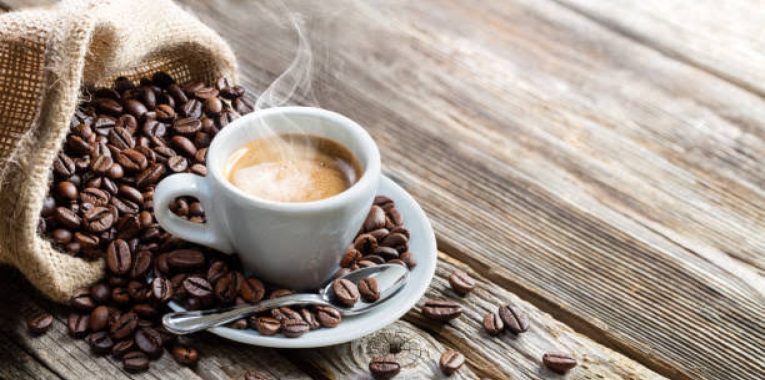
Caffeine in Tea vs Coffee is unparalleled.
It’s found in over 60 plant species and enjoyed across the globe, especially in coffee, chocolate, and tea.
The caffeine content in a beverage varies depending on the ingredients and how the drink is prepared.
While caffeine is considered safe, drinking too much may raise some concerns.
This article compares the caffeine contents of a variety of teas and coffees and explores which drink you should choose.
Why is caffeine a concern?
An estimated 80% of the world’s population enjoys a caffeinated product daily.
Both the U.S. Department of Agriculture (USDA) and European Food Safety Authority (EFSA) define a safe caffeine intake and caffeine in tea vs coffee is up to 400 mg per day, 200 mg per single dose, or 1.4 mg per pound (3 mg per kg) of body weight (1Trusted Source, 2Trusted Source, 3).
Due to its stimulating effects, caffeine has been linked to health benefits like enhanced alertness, improved athletic performance, elevated mood, and increased metabolism (4Trusted Source, 5Trusted Source, 6Trusted Source, 7Trusted Source).
That said, consuming high amounts — such as single doses over 500 mg — may raise some concerns (2Trusted Source, 3).
In large doses, caffeine has been associated with anxiety, restlessness, and difficulty sleeping. In addition, some studies suggest that drinking it regularly, even in moderate amounts, can cause chronic headaches and migraines (8Trusted Source, 9Trusted Source, 10Trusted Source).
Furthermore, caffeine is considered mildly addictive, and some people may be more susceptible to developing a dependence (9Trusted Source).
Caffeine content varies by beverage type and preparation
The amount of caffeine in tea or coffee can vary significantly depending on the origin, type, and preparation of the drink (11Trusted Source).
Tea leaves contain 3.5% caffeine, while coffee beans have 1.1–2.2%. However, the coffee brewing process uses hotter water, which extracts more of the caffeine from the beans. Typically, you also use more coffee beans than you’d use tea leaves for a drink (12).
Therefore, 1 cup (237 ml) of brewed coffee generally has more caffeine than a cup of tea.
Tea varieties
Black, green, and white teas are prepared from leaves of the same plant, Camellia sinensis. What sets them apart is the time of harvest and level of oxidation of the leaves (4Trusted Source).
Black tea leaves are oxidized, while white and green tea leaves are not. This gives black tea a characteristic bold and sharp flavor and increases the extent to which caffeine from the leaves infuses hot water (4Trusted Source).
An average cup (237 ml) of black tea packs 47 mg of caffeine but can contain as much as 90 mg. For comparison, green teas contain 20–45 mg, while white teas deliver 6–60 mg per cup (237 ml) (12, 13Trusted Source, 14).
Matcha green tea is another high-caffeine tea. It usually comes in powdered form and packs 35 mg of caffeine per half-teaspoon (1-gram) serving (4Trusted Source).
Similarly, yerba mate, a tea traditionally enjoyed in South America that’s made by steeping the twigs and leaves of the Ilex paraguariensis plant, usually contains 85 mg of caffeine per cup (237 ml) (12).
It’s also important to note that although herbal teas are marketed as caffeine-free, one mug of these may still deliver up to 12 mg of caffeine. That said, this is considered a negligible amount (4Trusted Source).
Tea preparation
The preparation method greatly impacts the caffeine content of tea. Teas that steep for longer and in hotter water tend to produce a more potent cup (4Trusted Source).
For example, a mug of Tazo Earl Grey contains 40 mg of caffeine after 1 minute of steeping in 6 ounces (177 ml) of water heated to 194–203°F (90–95°C). This amount rises to 59 mg after 3 minutes (4Trusted Source).
For comparison, Stash Green Tea has 16 mg of caffeine after 1 minute of steeping under the same conditions. After 3 minutes of steeping, this more than doubles to 36 mg (4Trusted Source).
Coffee varieties
An average 8-ounce (237-ml) cup of coffee contains 95 mg of caffeine (2Trusted Source).
It’s a common belief that coffee made from dark-roasted beans has more caffeine than coffee from light-roasted beans. However, since caffeine isn’t affected much by roasting, this may not be the case (15).
That said, since dark roast coffees are less dense than light roast ones, you may use greater amounts of beans or grounds when brewing this type, yielding more caffeine per cup (15).
Espresso is a more concentrated source of caffeine (15, 16Trusted Source).
For example, a “single” espresso from Starbucks has about 58 mg of caffeine per 1-ounce (30-ml) shot. Most specialty coffee drinks, such as lattes and cappuccinos, are made with a double shot of espresso, containing 116 mg of caffeine (16Trusted Source).
//downloads.mailchimp.com/js/signup-forms/popup/unique-methods/embed.js Nibs Cafe