
Symptoms of a Coffee Allergy
Many people drink a cup of coffee in the morning to help them wake up. Caffeine, a natural drug contained in coffee, stimulates the central nervous system. But what effect can caffeine have on the body if a person is allergic to it? This article explores the symptoms of coffee a allergy, what causes it, and how it may be treated.
Caffeine is found in a range of plants including coffee beans, tea leaves, and cacao pods. It is consumed all over the world in coffee, tea, and chocolate. Approximately 90 percent of people in North America consume caffeine every day. While caffeine is safe for most people, some people have a caffeine intolerance or allergy.
Caffeine and its effects
Caffeine is a stimulant that makes people feel more awake and focused. However, it may cause a number of symptoms, including an allergic reaction in some people.
Drinking coffee and other caffeinated drinks is a cultural norm in the United States and many other countries.

Caffeine is a natural stimulant that affects the brain and central nervous system, making people feel more alert and focused. Many drink coffee during their working day, as they believe it makes them more productive.
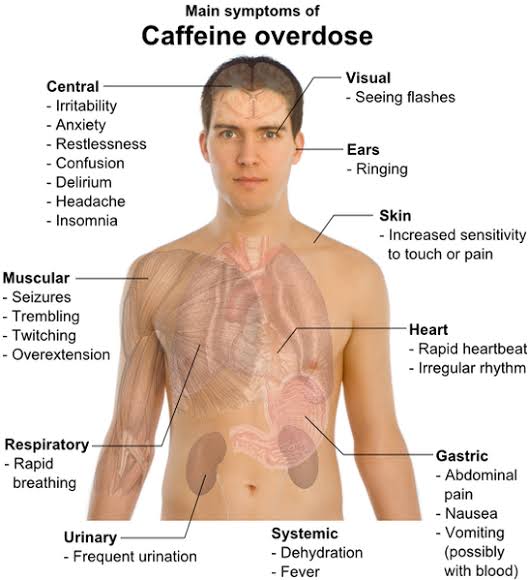
Most people can safely drink up to 400 milligrams (mg) of caffeine a day, the equivalent of around four cups. However, some people are sensitive to caffeine and experience the following when they consume it:
- rapid heartbeat
- anxiety
- jitteriness
- headaches
- trouble sleeping
- upset stomach
People who experience these symptoms may have a non-allergic food intolerance to caffeine.
Intolerance is different from having a caffeine allergy. Caffeine allergies are rare, and the symptoms of a caffeine allergy are more serious than those of an intolerance.
Symptoms of coffee a allergy
The symptoms of a coffee allergy include:
- hives, an itchy rash made up of many red bumps
- swelling of the lips and tongue
- itchy mouth, lips, and tongue
If a person has a caffeine allergy, these symptoms may occur within an hour of consuming caffeine.
Some people may experience a severe allergic reaction in response to caffeine called an anaphylactic shock, as this 2015 study reports. It is important to note that this is very rare.
The symptoms of an anaphylactic shock may include:
- severe facial swelling, including eyes, lips, face, and tongue
- trouble breathing due to facial swelling
- trouble speaking
- wheezing
- coughing
- nausea, abdominal pain, or vomiting
- rapid heartbeat
- dizziness
Symptoms of a coffee allergy and intolerance
While some people who experience symptoms when drinking caffeine are allergic to it, others will have a non-allergic intolerance.
Caffeine affects different people in different ways. The effects that caffeine has on the body of someone who is allergic to it are not the same as for someone who is caffeine intolerant.
When a person consumes caffeine, it is absorbed into their bloodstream from their gut. It can then affect how different organs work.
In the brain, caffeine blocks the effects of chemical messengers that normally make a person sleepy. It may also increase levels of adrenaline in the blood, which makes the brain and body more alert.
For people who have a non-allergic caffeine intolerance, the rush of adrenaline from caffeine may cause them to experience symptoms.
In contrast, a person with a caffeine allergy has symptoms that are caused by an allergic reaction.
Treatments for caffeine allergy
If a person experiences an allergic reaction after consuming caffeine, then over-the-counter antihistamines may help reduce any itching, swelling, or hives.
In very rare cases, a caffeine allergy may cause anaphylactic shock. This can be treated with an injection of epinephrine. People with severe allergies often carry a special pen to administer this.
If a person is showing signs of an anaphylactic shock, contact emergency services immediately.